Osaka YMCA CollegePopular
Osaka YMCA College
Popular · Of 13 study-abroad agencies in Korea, 9 include this school on their recommendation lists · Checked September 2026 · This is a count of agencies' recommendation lists, not a SALLAE recommendation
- Employment results
- Employment etc. 45% ›
- University referrals
- 12 schools accepting applications with a recommendation letter ›
- AM & PM classes
- Decided by the school ›
- Progression
- Universities etc. 22% · national median 86% ›
Compare side by side with other schools →
Tuition and conditions may change depending on the intake. If you contact us, we will check with the school and give you accurate details.
Nearby schools comparedBy distance · no ads or paid placement
- Osaka YMCA CollegeThis schoolTuition/yr¥875,000Progression22%IntakesJan · Apr · Jul · Oct
- Kansai College of Foreign Languages0.4km›Tuition/yr¥927,000Installments OKProgression56%IntakesApr · Oct
- Ashiya International Gakuin Osaka Campus0.6km›Tuition/yr¥719,000Progression99%IntakesJan · Apr · Jul · Oct
- Nitchu Language Specialist Institute0.6km›Tuition/yr¥760,000Progression100%IntakesJan · Apr · Jul · Oct
— means SALLAE has not yet found the data.
About the school
A Japanese language school of Osaka YMCA, 5 minutes on foot from Tennoji Station. Capacity is 500, with 118 students enrolled (2025), many from China, Taiwan and Vietnam, and intakes in January, April, July and October. It offers a wide range of electives, from EJU prep, research plans and basic drawing to business manners and even the Kansai dialect, and has 3 types of its own scholarships. Short-term courses are also available, and airport pickup is provided.
Published data and school website
Tuition
If you saw a lower amount elsewhere, it may not include the admission fee and application fee
Median 1-year tuition in other areas — Kyoto ¥911,000(7 schools) · Kanagawa ¥880,000(8 schools) · Okinawa ¥858,000(6 schools) · Tokyo ¥840,600(56 schools) · Fukuoka ¥835,000(12 schools) · Hyogo ¥825,500(7 schools) · Osaka ¥814,000(27 schools) · Shizuoka ¥790,000(9 schools) · Chiba ¥745,333(10 schools) · Aichi ¥740,667(5 schools)
Total by intake
| Intake · length | Full course |
|---|---|
| 1 year | ¥915,000 |
| 1 year 6 months | ¥1,312,600 |
| 2 years | ¥1,710,000 |
Cost details · course tables · notes · 3 items
- Per term
- ¥198,750 3 months
- One-time fees
- ¥120,000Application fee · Admission fee
| Duration | Total |
|---|---|
| 1 year | ¥915,000 |
| 1 year 3 months | ¥1,113,750 |
| 1 year 6 months | ¥1,312,500 |
| 1 year 9 months | ¥1,511,250 |
| 2 years | ¥1,710,000 |
★"Per term" and "One-time at start" were calculated by SALLAE from each course's total. The courses this school actually offers are 1 year onward — all amounts in the table are values calculated by SALLAE.
Calculated by SALLAE · Confirmed 2026-10-06
Whether it is refundable
- Regardless of the YMCA's admission decision
- The ¥20,000 application fee cannot be refunded regardless of the result.
- If you could not obtain a visa after following proper procedures
- If you could not obtain a visa after proper procedures, the full tuition paid, including admission fee, tuition and materials, is refunded.
- If you decline admission for personal reasons
- If you notify the school in writing by the day before the entrance ceremony that you are declining, the tuition and fees paid, except the admission fee, are refunded.
- If, before completion, you are admitted to a Japanese university or similar institution and its term overlaps with the school's term.
- The tuition for the remaining period is refunded.
See refund policy in detail · 1 more line
- If you withdraw for personal reasons
- If you withdraw for personal reasons, a refund is given according to the number of weeks not attended. The administrative fee is ¥200,000 for the progression department and ¥100,000 for the practical department, and bank fees are paid by the student.
Admission & dates
- Apr intake
- 1-year course · Application 9 months before the intake month · Classes Progression Japanese department 875 hours / Career-building practical Japanese department 768 hours
- Jul intake
- 1-year course · Application 9 months before the intake month · Classes 768 hours a year
- Oct intake
- 1-year course · Application 9 months before the intake month · Classes Progression Japanese department 875 hours / Career-building practical Japanese department 768 hours
- Jan intake
- 1-year course · Application 9 months before the intake month · Classes 768 hours a year
- Japanese level
- JLPT N5 level or above
Progression 1-year: N3 equivalent or 600 hours; 1.5- and 2-year: N5 equivalent or 150 hours. Practical department: N5, N4, N2 equivalent and so on, depending on the course.
Deadline and capacity rules
The practical department admits students in April, July, October and January for 1, 1.5 or 2 years; the progression department admits in April for 1 or 2 years and in October for 1.5 years. Applications close early once capacity is reached.
School website · 2026-07-09 updated
Classes
- Morning
- 09:00-12:50 Class hours of the career-building practical Japanese department
- Afternoon
- 13:30-17:20 Class hours of the career-building practical Japanese department
- AM/PM placement
- Tell the school your preferred class hours when applying; the school decides based on order of application and class placement test results.
- Class size
- Max 20 students
- Elective classes
- JLPT prep · EJU prep · Research plan · Basic drawing · English · Logical thinking training · Business manners · Business documents · Business communication · Learning Japanese through manga and anime · Kansai dialect course · Students take electives from the intermediate level in the progression Japanese department and at the advanced level in the career-building practical Japanese department, and the subjects offered differ by term.
Materials · Subjects · Timetable · Details
- Materials
- Level-based textbooks and materials developed by Osaka YMCA Gakuin teachers are used.
- Subject
- Basic Japanese · Skills-based subjects · Characters, vocabulary and pronunciation · Academic Japanese · Project work · Homeroom · Progression Japanese department: 9:00–14:40, 5 periods a day. Career-building practical Japanese department: 768 hours a year, 192 hours per term.
Sample timetable for the intermediate class of the progression Japanese department25 periods per week
| Time | Mon | Tue | Wed | Thu | Fri | |
|---|---|---|---|---|---|---|
| 1 | 09:00-09:50 | Basic Japanese | Basic Japanese | Basic Japanese | Basic Japanese | Homeroom (attendance check and announcements) |
| 2 | 10:00-10:50 | Basic Japanese | Basic Japanese | Basic Japanese | Basic Japanese | Basic Japanese |
| 3 | 11:00-11:50 | Basic Japanese | Basic Japanese | Basic Japanese | Basic Japanese | Basic Japanese |
| Lunch break | 11:50-12:50 | |||||
| 4 | 12:50-13:40 | EJU prep | Basic drawing | JLPT prep | English | JLPT prep |
| 5 | 13:50-14:40 | EJU prep | Basic drawing | JLPT prep | English | JLPT prep |
Class hours by subject
| Subject | 1 year |
|---|---|
| Basic Japanese | 14 hours |
| Subjects by language activity | 8 hours |
| Characters, vocabulary and pronunciation | 2 hours |
| Elective subjects | 10 hours |
| Academic Japanese | 4 hours |
| Project work | 6 hours |
The progression Japanese department holds five 50-minute periods a day, Monday to Friday, 9:00–14:40.
What each level aims for · 3 levels
- Beginner to lower intermediate
- 9 monthsBuild conversation ability that causes no trouble in daily life and learn about 600 kanji.
- Intermediate to upper-intermediate
- 9 monthsUnderstand the main points of news and university websites, and give presentations and write opinion essays.
- Advanced
- 6 monthsUnderstand specialized texts, documentaries and speeches, and write a research plan.
School website · 2026-06-09 updated
Documents
- Admission application form
- Statement of purpose
- PhotoJPEG
- Original graduation certificate of the last school attended, or a copy of the diploma
- Transcript of the last school attended, or a copy of the grade report
- Certificate of Japanese study history
- Certified copy of family register, birth certificate or basic certificate
- Passport copy
- Application receipt form
Financial supporter's documents · only if applicable · 4 application requirements
Submitted by the person paying the tuition (financial sponsor)
- Financial sponsorship statement
- Certificate of occupation
- Certificate of annual income for the previous year, and tax payment certificate
- Bank balance certificate or copy of passbook in the financial sponsor's namePage showing the most recent balance
- Documents proving the relationship to the applicant
- Certified copy of resident recordShowing all members of the same household
Only if applicable
- If you are currently enrolled and will study abroad after graduating, a certificate of expected graduation; if you will return to school after studying abroad, a certificate of enrollment. (If you are currently enrolled)
- Employment certificate (submit if you have work experience.)
- Statement of reasons explaining the purpose and place of stay (if you have stayed about 1 month or more on a short-term stay visa)
- Copy of both sides of that family member's residence card (Family members staying in Japan)
- Statement about that family's living arrangements (If you leave your family (spouse, children) in your home country)
Application requirements
All official certificates must have been issued within 3 months. (Photos within 6 months) Attach a Japanese translation to documents in languages other than Japanese, stating the translator's name, affiliation and contact information. In principle, the financial sponsor must be a relative within the third degree of kinship, including the applicant's parents, or the applicant themselves. 1 month before the submission date set by the Immigration Services Agency
School website · Confirmed 2026-09-21
Admission process
- Request an admission consultation — Please contact us through the inquiry form, stating your desired intake and department.
- Prepare and send application documents — Prepare the documents listed in the application guide and send them to the partner agency or school staff you were directed to.
- Document screening and Certificate of Eligibility application — The school checks the application documents, applies to the Osaka Regional Immigration Services Bureau for the COE, and holds an online interview in some cases.
- Tuition payment — After the COE is issued, the school or partner agency sends a tuition invoice, and after payment is confirmed, sends the COE and the admission permit.
- Visa application and arrival preparation — Obtain the visa at a Japanese diplomatic mission abroad, and receive your residence card after arriving in Japan.
- Placement test
- An online interview is held if needed, and classes are assigned by placement tests at enrollment and at the end of each term.
School website · 2026-07-09 updated
Short-term study
- Visa
- Temporary visitor(not a student visa)
- Duration
- Up to 3 months
- Open now?
- Rolling admissions, so availability varies from time to time — SALLAE will confirm with the school
Course without a student visa
- Short intensive course — 10 days, July 27 to August 7, 2026, 29 periods of 50 minutes in total. You can take it on a tourist visa.
- Career-building practical Japanese department — People with a status of residence other than student can attend for less than a year, and short-term visitors can attend one term of about 3 months. From April 2025, tuition is ¥238,800 for 3 months · ¥497,600 for 6 months · ¥686,400 for 9 months (including the admission fee).
★Short-term courses are not listed in the published data — it counts only student-visa courses.
School website · 2026-07-03 updated
Graduate outcomes
| FY2022 | Admitted |
|---|---|
| Employment | 45 students |
| Graduates | 140 students |
22 progressed to universities and similar institutions, 49 proved CEFR A2-equivalent or above, and the total number of students meeting the criteria (actual count) was 99 · Number of people permitted to change status · School website · Confirmed 2026-09-21
Reviews 9
External reviewAuto-translatedPersonal review · Google review · Sep 2025
Pros
- The schedule is morning or afternoon, so you can look for a job while studying.
- You get to meet new people.
- The location is convenient.
- You can study even on a tourist visa.
- Some teachers are kind, especially the afternoon teachers.
Cons
- There are holidays of several weeks with no classes. It's like paying for the teachers' vacation.
- No level has a conversation practice class. It's mostly homework and grammar review. Some people pass N2 and still can't speak fluently at all.
- The morning and afternoon class schedules differ even at the same level, which is unfair. One class has an exam within a week while another gets two weeks to prepare, or gets answers very similar to the exam as "preparation."
- Exams mostly test not how well you can use the language but how well you guess the teacher's favorite verb-noun combinations. Almost all are multiple choice, and individual student assessment is barely considered.
- Daily-life admin like housing problems only gets handled if you keep chasing the staff and pushing them.
- The graduation ceremony is an endless stream of unfunny jokes. It respects nobody's time.
Also: at every level, the same content repeats every 2–3 weeks.장점
- 오전·오후 시간표라 공부하면서 일자리를 구할 수 있어요.
- 새로운 사람을 만날 수 있어요.
- 위치가 편해요.
- 관광 비자로도 공부할 수 있어요.
- 일부 선생님은 친절해요, 특히 오후 선생님들.
단점
- 수업 없는 방학이 몇 주씩 있어요. 선생님 휴가비를 내는 셈이에요.
- 어느 레벨에도 회화 연습 수업이 없어요. 주로 숙제와 문법 복습이에요. N2에 붙고도 전혀 유창하게 말하지 못하는 사람도 있어요.
- 같은 레벨인데도 오전·오후 반 일정이 달라 불공평해요. 한 반은 일주일 안에 시험을 보는데 다른 반은 준비 기간이 두 주이거나, 준비라며 시험과 아주 비슷한 답을 받기도 해요.
- 시험은 대부분 언어를 얼마나 잘 쓰는지가 아니라 선생님이 좋아하는 동사·명사 조합을 얼마나 맞히는지를 봐요. 거의 다 객관식이고 학생 개인 평가는 별로 신경 쓰지 않아요.
- 집 문제 같은 생활 행정은 직원을 계속 쫓아다니며 재촉해야 겨우 처리돼요.
- 졸업식은 재미없는 농담이 끝없이 이어져요. 누구의 시간도 존중하지 않아요.
덧붙여: 레벨마다 같은 내용이 2~3주마다 반복돼요.External reviewAuto-translatedPersonal review · Google review · May 2025
I made really good memories at this school. There is a lot of writing and you learn the essentials of grammar, vocabulary and kanji, but the classes might lack a bit of speaking.
The teachers teach well and always do their best to help. If you take part in class and also practice Japanese outside of class, you improve quite quickly.
The exams (2 per semester) are quite difficult, but they push you to study more and improve. I recommend this school to anyone motivated to learn Japanese.이 학교에서 정말 좋은 추억을 남겼어요. 쓰기가 아주 많고 문법·어휘·한자의 핵심을 배우지만, 수업에 말하기가 조금 부족할 수도 있어요.
선생님들은 잘 가르치고 늘 최선을 다해 도와줘요. 수업에 참여하고 수업 밖에서도 일본어를 연습하면 꽤 빨리 늘어요.
시험(학기마다 2번)은 꽤 어렵지만 더 공부하고 발전하게 해 줘요. 일본어를 배우려는 의욕 있는 사람에게 이 학교를 추천해요.External reviewAuto-translatedPersonal review · Google review · Nov 2024
This school is really disappointing. Their attitude after you pay is completely different from before you pay. I signed up for a 3-month summer short course to improve my conversation skills. I applied after seeing the ad for practical Japanese, and at first they said there would be lots of chances to practice speaking, but once classes started it was almost nothing but grammar practice every day. When I asked, I was told not to rely too much on the school and to go outside and practice conversation on my own. Tuition was almost 300,000 yen, and I think of it as a lesson learned the hard way.
In the one-on-one survey, after they found out I wouldn't continue after 3 months, their attitude toward me changed. I asked the teacher questions several times, but they brushed me off saying they didn't know or couldn't answer. Yet in one of the last classes, when a classmate who likes explaining things to others asked a question, that teacher asked the other teachers separately after class and then answered that classmate in detail during class.
Even when there are students who show up late every day and disrupt class without a word of apology, students who slam the door as they come in, students who come to sleep because the level is too easy, and students who shout and interrupt while the teacher explains the exam answers, the teacher says nothing.
The attitude of the first-floor reception staff is also terrible. When I said I couldn't attend the completion ceremony because of work, they pressed me on why I couldn't come, and I gave the same answer three times. It felt like being interrogated as a criminal.
The most respectable people at this school are the person who greets everyone good morning in the sun at the vehicle entrance, and the cleaning staff member who welcomes everyone every day.이 학교는 정말 실망스러워요. 돈을 내고 난 뒤의 태도가 내기 전과 완전히 달라요. 회화 실력을 늘리려고 3개월 여름 단기 과정에 등록했어요. 실용 일본어라는 광고를 보고 신청했고, 처음엔 말하기 연습 기회가 많다고 했지만 막상 수업이 시작되자 거의 매일 문법 연습뿐이었어요. 물어보니 학교에 너무 기대지 말고 밖에 나가서 혼자 회화 연습을 하라고 했어요. 학비가 거의 ¥300,000이었는데, 제게 산 교훈이라고 생각해요.
일대일 설문에서 제가 3개월 뒤에 계속 다니지 않는다는 걸 알고 나서 저를 대하는 태도가 달라졌어요. 선생님께 몇 번 질문했지만 모른다, 답할 수 없다며 넘겼어요. 그런데 마지막 수업 중 하나에서 남에게 설명하길 좋아하는 반 친구가 질문하자, 그 선생님은 수업 뒤 다른 선생님들께 따로 물어보고 수업 시간에 그 친구에게 자세히 답해 줬어요.
매일 지각하면서 사과 한마디 없이 수업을 방해하는 학생, 문을 쾅 치며 들어오는 학생, 수준이 너무 쉽다며 자러 오는 학생, 선생님이 시험 답을 설명할 때 소리쳐 방해하는 학생이 있어도 선생님은 아무 말도 안 해요.
1층 접수 직원 태도도 끔찍해요. 일 때문에 수료식에 못 간다고 하자 왜 못 오냐고 몰아세워서, 같은 대답을 세 번 했어요. 범죄자 취조를 받는 느낌이었어요.
이 학교에서 가장 존경할 만한 사람은 차량 출입구에서 햇볕 아래 모두에게 아침 인사를 하는 분과, 매일 모두를 반겨 주는 청소 직원분이에요.External reviewAuto-translatedPersonal review · Google review · Oct 2024
Reviews are mixed, but overall it's pretty negative.
The school itself is very good: it's close to the subway and Tennoji Park, and it has a swimming pool and a small gym. The reception staff are generally friendly, apart from one or two who are quite unfriendly.
There are many kind teachers, but they have no authority at all, so if you end up in a class like mine, with a huge number of people of the same nationality who keep talking loudly, you can't follow the lessons properly and your experience can be ruined. Some teachers just throw the lesson at you and tell you to figure it out yourself. They only care about exam results, so if you're working to pay your tuition, this school isn't for you. There's a huge amount of homework that isn't very interesting, and don't expect speaking practice. It's almost all writing.
If you already know kanji well, you'll pass the exams and move up to the next level with no problem even if you can't speak.
In short: if you have no money worries (tuition is quite expensive) and have time, it's fine, but if you have to work and have little time to study, it's a waste of time and money.평가는 엇갈리지만 전체적으로는 꽤 부정적이에요.
학교 자체는 지하철과 덴노지 공원에서 가깝고 수영장과 작은 헬스장도 있어서 아주 좋아요. 접수 직원은 한두 명 꽤 불친절한 사람 빼고는 대체로 친절해요.
친절한 선생님은 많지만 권위가 전혀 없어서, 저처럼 같은 국적 사람이 아주 많아 계속 크게 떠드는 반에 걸리면 수업을 제대로 따라갈 수 없어 경험을 망칠 수 있어요. 수업을 던져 놓고 알아서 하라는 식인 선생님도 있어요. 시험 결과만 중요하게 여겨서, 학비를 벌려고 일을 한다면 이 학교는 맞지 않아요. 숙제가 엄청 많은데 별로 재미있지도 않고, 말하기 연습은 기대하지 마세요. 거의 다 쓰기예요.
한자를 이미 잘 안다면 말하기를 못해도 시험에 붙고 다음 레벨로 문제없이 올라가요.
정리하면: 돈 걱정이 없고(학비가 꽤 비싸요) 시간이 있다면 괜찮겠지만, 일을 해야 해서 공부할 시간이 적다면 시간과 돈 낭비예요.External reviewAuto-translatedPersonal review · Google review · Oct 2023
I'm also a language teacher in my home country, and I really regret studying at this school. I only attended the summer term, and I'm so glad I didn't sign up for longer!
I was placed in J9, the highest level. The teaching method is very, very outdated. It focuses only on passive skills like writing and listening, with almost no speaking. My classmates (there were 13 of us) and I complained about this, but the class didn't change at all. The whole class was badly demotivated, yet the teachers seemed to care only about attendance and homework.
In 3 months we finished 2 units (booklets). The first was interesting and well put together, but the second (about reporting a rapper) had almost no new vocabulary and was very sloppy. You could see they had split the video into 6 parts to stretch it out as much as possible. It was a pure waste of time. In the end, even though I'd paid, I skipped the last week. Studying alone at home was better.
Finally, when 2 classmates got COVID, the school unilaterally closed the class for two full days. There was nothing about that in the first-day orientation. Three years into COVID, they apparently haven't learned anything: no refund for those two paid days, and no alternative like online classes. I simply can't accept this.
Overall it was a very negative experience and a waste of time and money.저도 고국에서 언어를 가르치는 교사인데, 이 학교에서 공부한 게 정말 후회돼요. 여름 학기만 다녔는데, 더 길게 등록하지 않은 게 정말 다행이에요!
가장 높은 레벨인 J9에 배정됐어요. 가르치는 방식이 아주아주 구식이에요. 쓰기·듣기 같은 수동적인 기술에만 집중하고 말하기는 거의 없어요. 저와 같은 반 학생들(13명이었어요)이 이걸 항의했지만 수업은 전혀 바뀌지 않았어요. 반 전체가 의욕이 많이 떨어졌는데도 선생님들은 출석과 숙제에만 관심이 있어 보였어요.
3개월 동안 단원(소책자) 2개를 끝냈어요. 첫째 것은 흥미롭고 잘 짜여 있었지만, 둘째 것(래퍼 신고에 관한 것)은 새 어휘가 거의 없고 아주 엉성했어요. 최대한 늘리려고 영상을 6부분으로 나눈 게 보였어요. 시간 낭비 그 자체였어요. 결국 돈을 냈는데도 마지막 주는 빠졌어요. 집에서 혼자 공부하는 게 더 나았거든요.
마지막으로, 반 친구 2명이 코로나에 걸리자 학교가 일방적으로 반을 이틀 내내 닫았어요. 첫날 안내에는 그런 말이 전혀 없었어요. 코로나 3년이 지났는데도 배운 게 없는지, 돈 낸 그 이틀을 환불해 주지도 않고 온라인 수업 같은 대안도 없었어요. 도저히 받아들일 수 없어요.
전체적으로 아주 부정적인 경험이었고 시간과 돈 낭비였어요.External reviewAuto-translatedPersonal review · Google review · Mar 2020
I completed this school today. I can't say I always enjoyed studying, but it was a really great experience. Whenever I try to make an effort, the teachers always! teach me earnestly and kindly!!
오늘 이 학교를 수료했어요. 늘 즐겁게 공부만 했다고는 못 하지만 정말 좋은 경험이었어요. 제가 노력하려고 하면 선생님들은 꼭! 열심히, 친절하게 가르쳐 줘요!!
External reviewAuto-translatedPersonal review · PTT · Oct 2019
This is a review I'm writing half a year after graduating from the Japanese language school. Around my third term, once my life had settled down, I actively took part in the school's volunteer activities, and thanks to that I made lots of friends, both Japanese and from many different countries. I even ran a stall at things like the countryside activities on Awaji Island and the school festival. The YMCA has a scholarship, and I heard they look at volunteer experience and study plans as well as grades. I misunderstood the explanation and missed the application deadline T_T Be sure to keep track of it! Among the textbooks, "Itsuka Dokoka de", which we used in J3, helped me the most with life in Japan. I've experienced almost every situation in the book, from finding a part-time job to going to the hospital and finding a place to live. My biggest regrets are that I finished the program at J5 and couldn't go on to the advanced level, and that I never got to take the elective courses that only the advanced level has. I took the N1 in December; on the YMCA mock test I took before the exam I fell slightly short of the passing line, but I got lucky and passed. My conversation was weak, so whenever I had the chance I showed my writing to my teachers and chatted with them during breaks, and that really helped a lot. I'm still in touch with a few teachers, and I sometimes go to the YMCA to help out (well, actually just to hang out) lol. In conclusion, I wouldn't strongly recommend it because of the Japanese teaching methods, but for people who sincerely want to learn Japanese, it's a good choice as a learning environment. If you make good use of the resources on your own, N2 should be no problem.
일본어학교 졸업하고 반년 지나서 쓰는 후기예요. 셋째 학기쯤 생활이 안정되고 나서 학교 봉사활동에 적극적으로 참여했는데, 덕분에 일본인이랑 여러 나라 친구들을 많이 사귀었어요. 아와지섬 시골 활동이나 학교 축제 같은 데서 가게도 해 봤고요. YMCA는 장학금이 있는데 성적 말고도 봉사 경험이나 학습 계획도 본대요. 저는 설명을 잘못 이해해서 신청 기한을 놓쳤어요 ㅠㅠ 꼭 챙기세요! 교재 중엔 J3에서 쓴 「いつかどこかで」가 일본 생활에 제일 도움 됐어요. 알바 구하기, 병원, 집 구하기까지 책에 나온 장면을 거의 다 겪었거든요. J5에서 과정을 끝내서 상급까지 못 간 것, 상급에만 있는 선택 과목을 못 들어 본 게 제일 아쉬워요. 12월에 N1을 봤는데, 시험 전에 본 YMCA 모의고사에선 합격선에 살짝 못 미쳤다가 운 좋게 붙었어요. 회화가 약해서 기회만 되면 선생님께 글을 보여 드리고 쉬는 시간에 수다를 떨었는데 이게 정말 큰 도움이 됐어요. 지금도 몇몇 선생님이랑 연락하고, 가끔 YMCA에 도우러(가 아니라 놀러) 가요 ㅋㅋ 결론적으로 일본어 교수법 때문에 대단히 추천하진 않겠지만, 진심으로 일본어를 배우고 싶은 사람한테 학습 환경으로는 좋은 선택이에요. 자원을 알아서 잘 쓰면 N2는 문제없을 거예요.
External reviewAuto-translatedPersonal review · PTT · Feb 2019
I'm a YMCA graduate. I was in the general course, so it's a bit different from the practical course. I also applied for the volunteer program and got matched with a woman in her 50s, and we're still in touch. It's good for practicing conversation with Japanese people, but whether you get along with your matched volunteer is luck (?). I heard the general course has relatively more students who aren't from Chinese-speaking regions, while the practical course is full of Taiwanese and Chinese students. I was in the cohort that moved from Uehonmachi to Tennoji, and I'm a bit reserved about the claim that the building is new lol. When I graduated, a lot of things like the restrooms were still old. Still, it's true that it has a lot of facilities, and the gym used for events is huge lol. The attached fitness gym is a bit small, but it's a little over 1000 yen a month, so it's decent. Don't think of the dorm as a student dorm with a common room; it's just an ordinary apartment. Unless you're looking for a share house separately. And whether your Japanese improves is ultimately up to you. If you don't study and just hang out with people who speak Chinese all the time, of course you won't improve lol
YMCA 졸업생이야. 나는 종합 과정이라 실용 과정이랑은 좀 달라. 봉사자 제도도 신청했는데 50대 어머님이랑 매칭돼서 지금까지 연락하고 지내. 일본인이랑 회화 연습하기엔 괜찮은데, 매칭된 봉사자랑 잘 맞는지는 운(?)이야. 종합 쪽은 중화권 아닌 학생이 비교적 많고, 실용 쪽은 대만인이랑 중국인이 가득이라고 들었어. 나는 우에혼마치에서 덴노지로 옮긴 기수인데, 교사가 새것이라는 말엔 좀 유보적이야 ㅋㅋㅋ 내가 졸업할 때만 해도 화장실 같은 건 낡은 게 많았거든. 그래도 설비가 많은 건 사실이고, 행사용 체육관은 엄청 커 ㅋㅋ 딸린 헬스장은 좀 작은데 월 ¥1000 남짓이니까 괜찮은 편. 기숙사는 교류실 있는 학생 기숙사 같은 걸 생각하면 안 되고 그냥 평범한 아파트야. 쉐어하우스를 따로 찾는 게 아니라면. 그리고 일본어가 느냐 마느냐는 결국 자기 하기 나름이야. 공부 안 하고 맨날 중국어 하는 사람만 붙잡고 있으면 당연히 안 늘지 ㅋㅋ
External reviews are public posts that SALLAE collected and rewrote in the writer’s own voice. SALLAE keeps the original links.
University prep
- Career counseling — Through a weekly homeroom and interviews, the school gives career counseling and guidance matched to each student's desired path.
- Career consultation — Students at the intermediate level or above who want to work receive guidance on résumés, entry sheets, interviews and job hunting from a career consultant.
- Information on progression and employment — Collects and provides students with materials and information on progression and employment.
- Designated-school recommendation — Osaka Sogo Design College / Shusei Construction College / Osaka Tourism & Business College / Sundai Tourism & Business College / Osaka YMCA International College [International Hotel Department, International Business Department]
- 12 designated-school recommendation schools — Kwansei Gakuin University · Osaka University of Tourism · Kansai University of International Studies · Ryutsu Keizai University · Momoyama Gakuin University · Kyoto University of Foreign Studies · Osaka Gakuin University · Osaka Jogakuin University · Seijo University (Aichi) · Kobe Gakuin University · Otemon Gakuin University · Osaka University of Economics and Law · * May change by year
School website · 2026-07-02 updated
Daily-life support
- Airport pickup — For those who wish, staff meet you at Kansai International Airport and guide you to the partner student housing.
- Life orientation after arrival — The life orientation after arrival explains address registration, joining National Health Insurance and how to use public transport.
- Daily-life support — Multinational staff help in multiple languages with hospital guidance and ward office procedures.
- How to open a bank account — We introduce a bank account that you can open right after arriving in Japan.
- Health and safety support — Provides health and hygiene guidance, handling of illness, accidents and infectious diseases, regular evacuation drills, and native-language support when needed.
- Guidance and support on entry and residence management — Regular guidance is given on residence management and activities outside the status of residence.
- Commuter pass — The progression Japanese department is eligible for student commuter pass discounts. The career-building practical Japanese department is not, so a nearby residence is recommended.
School website · 2026-06-16 updated
Scholarship
- Osaka YMCA International Scholarship
- Monthly ¥20,000 × 5 monthsFor students enrolled at the school for 6 months or more. Paid for 5 months in either the first or second term.
- Osaka YMCA International Scholarship (annual payment)
- ¥300,000 Once 4 students (per year)
- Osaka YMCA International Encouragement Grant
- ¥100,000 Once Paid at graduation to 2 students who have been enrolled for 6 months or more and have been accepted to a university, graduate school or vocational school in Japan.
- Honors Scholarship for Privately Financed International Students (first and second terms)
- ¥48,000 OnceFor students on a student visa enrolled for 6 months or more. Paid for 12 months in the first term and 6 months in the second term.
- Honors Scholarship for Privately Financed International Students (practical Japanese course)
- ¥30,000 OnceFor students on a student visa enrolled for 6 months or more. Paid for 12 months in the first term and 6 months in the second term.
School website · 2026-07-15 updated
Students
Enrolled 118 (2025) · Capacity 500 National median: 180 students
Based on 118 students enrolled in 2025.
Published by MEXT · Confirmed 2026-09-20
School life
For 1 year
- Apr
- Term 4 entrance ceremony · Welcome party for new students
- May
- Golden Week · Unagi Forest tree-planting experience
- Jun
- EJU · Field trip · Information session on further education
- Jul
- Term 7 entrance ceremony · Summer vacation · Yukata dressing experience · JLPT
- Aug
- Summer vacation · YMCA summer festival (nagashi somen)
- Sep
- Autumn break · Ethnic costume fashion show
- Oct
- Term 10 entrance ceremony · Welcome party for new students · YMCA charity run
- Nov
- YMCA Family Carnival · EJU
- Dec
- JLPT · Christmas bazaar · Christmas party · Winter vacation
- Jan
- Winter vacation · Term 1 entrance ceremony · Welcome lunch for new students · Field trip
- Feb
- Speech contest
- Mar
- Graduation ceremony · Spring break
FY2026 schedule
2025–2026 academic calendar · Older data
- Summer vacation
- Jul and Aug
- Autumn break
- Sep
- Winter break
- Dec–Jan
- Spring break
- Mar
FY2026 schedule
School website · 2026-06-16 updated
Access
- Transit
- Osaka Metro Midosuji Line Tennoji Station, 5 min walk Exit 7
Osaka Metro Tanimachi Line Tennoji Station, 5 min walk Exit 18 to Exit 10
JR Tennoji Station, 5 min walkCentral ticket gate
Kintetsu Osaka Abenobashi on foot 5 min - Nearby
- 5 min walk east from the north exit of Tennoji Station
- Dormitory
- Available · Private rooms of 14.72–23.36 m², rent ¥40,000–¥48,000, about 20–25 minutes to school. · Per the school website
School website · 2026-05-07 updated
Dormitory — For student housing the school introduces, the costs included in the rent differ by property, and electricity and gas are charged at actual cost.
School website · Confirmed 2026-10-06
Japanese language institution certified by MEXT Certification no. 20241270013 · Certified 2024.10.30 →
SALLAE has organized the school website and published data in English.
The update date is the day that material was last revised.
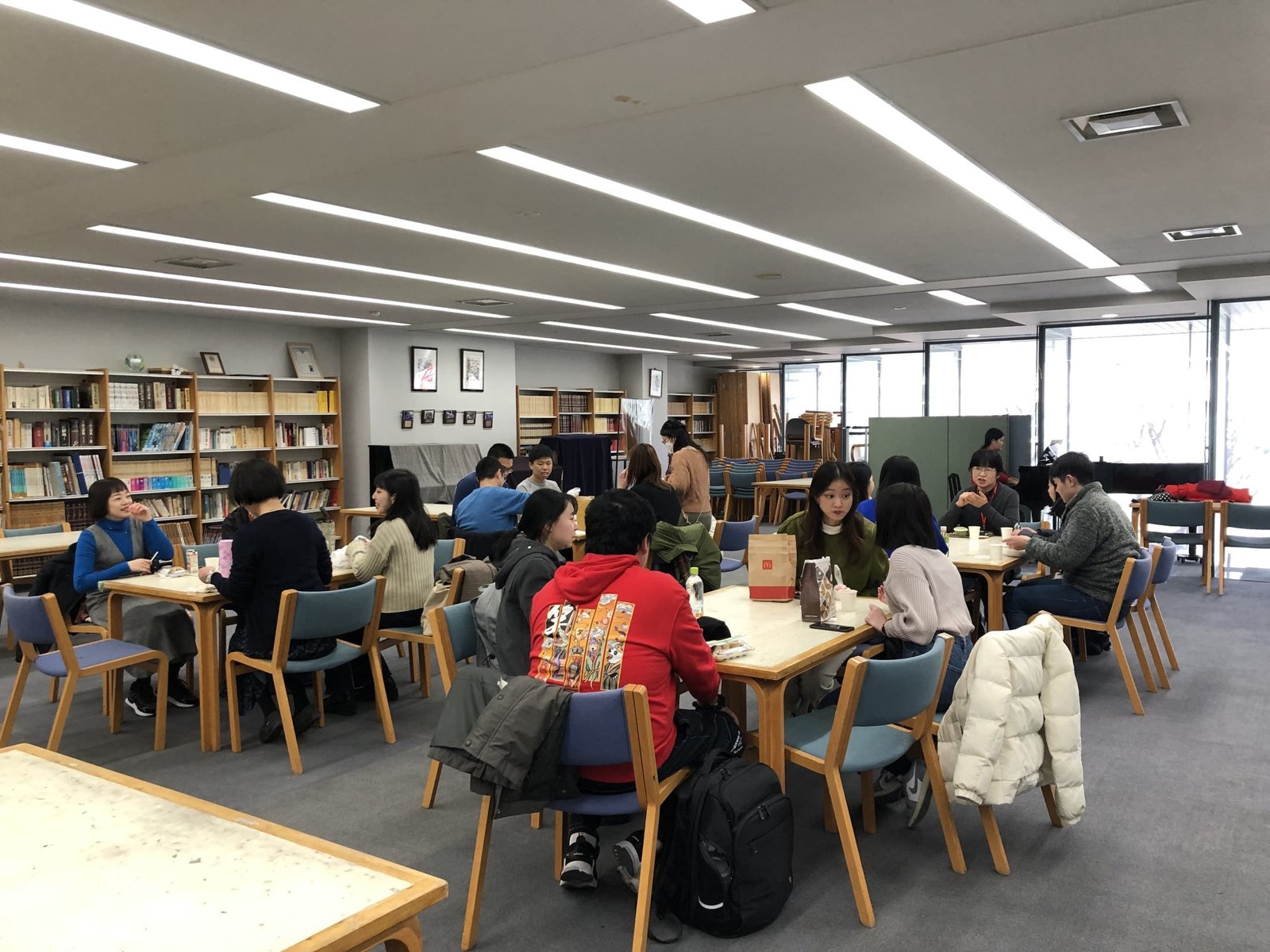
Photos are materials published by the school.
This information is compiled from official sources and is not updated daily. Please confirm with the official contact before signing or applying.